Adolescents
Safeguarding Adolescents
Adolescence is the stage of development between childhood and adulthood, usually covering the ages of 10 to 19 years. During this period, young people experience significant physical, emotional, social, and cognitive changes as they develop their identity, independence, and relationships.
Safeguarding adolescents means protecting young people from harm, abuse, neglect, exploitation, and discrimination while supporting their health, wellbeing, and development. It involves creating safe environments where adolescents feel respected, listened to, and supported.
Effective safeguarding includes:
- Recognising signs of abuse, neglect, bullying, exploitation, or mental health concerns.
- Promoting positive relationships, trust, and open communication.
- Ensuring adolescents know how to seek help and access support services.
- Supporting online safety and awareness of risks such as cyberbullying or grooming.
- Working collaboratively with families, schools, healthcare professionals, and safeguarding agencies to protect young people’s welfare.
Safeguarding is everyone’s responsibility and aims to ensure that all adolescents are able to grow, learn, and thrive in a safe and supportive environment.
What Is Exploitation?
Exploitation is a form of child abuse where an individual or group takes advantage of a child or adolescent for their own benefit, gratification or gain. It is often characterised by an imbalance of power, including coercion, control, manipulation or intimidation.
Children and adolescents cannot consent to their own exploitation, even where they appear willing or do not recognise themselves as victims.
Exploitation can occur within and outside the family home, including in peer groups, schools, neighbourhoods and online environments.
Child Exploitation (opens in YouTube)
Identifying Signs of Exploitation
Possible signs may include:
Behavioural Indicators
- Sudden changes in behaviour, mood or presentation
- Increased secrecy, withdrawal or emotional volatility
- Going missing or increased episodes of missing from home or care
- Use of multiple mobile phones or excessive use of social media
- Association with older peers or unfamiliar adults
- Unexplained hostility towards professionals or trusted adults
Situational or Lifestyle Indicators
- Unexplained money, gifts, clothing or access to transport
- Regularly being in high-risk locations or areas outside the local community
- Involvement in offending, violence or antisocial behaviour
- Exposure to drugs or alcohol
- Decline in school attendance, engagement or performance
Relational Indicators
- Evidence of controlling or coercive relationships
- Fearful behaviour around specific individuals or groups
- Reliance on others to meet basic needs or provide protection
No single indicator should be viewed in isolation. Exploitation is often hidden and experienced cumulatively over time. Professional curiosity, respectful challenge and information sharing are essential.
Professional Responsibilities
All professionals working with adolescents in Slough have a responsibility to safeguard and promote their welfare.
This includes:
- Listening to the adolescent’s voice and taking their experiences seriously
- Using trauma-informed and strength-based approaches
- Sharing information appropriately and proportionately
- Recording concerns clearly and factually
- Escalating concerns where risk is increasing or not adequately addressed
Professionals should follow local safeguarding procedures and make use of multi-agency support to ensure timely and coordinated responses.
Where to Get Help and Support
Immediate Risk
If an adolescent is at immediate risk of harm, contact Thames Valley Police by calling 999.
Safeguarding Concerns
Where exploitation is suspected or identified, concerns should be raised promptly in line with Slough Safeguarding Partnership procedures:
- Slough Children’s Services – Multi Agency Safeguarding Hub (MASH)
Advice and Consultation
Professionals can seek advice or consultation when unsure about levels of risk or thresholds for intervention. Early discussion can support proportionate and preventative responses.
Additional Support
Fearless (Crimestoppers' youth service) for anonymous reporting. This dedicated youth service from the independent charity Crimestoppers allows young people aged 11 to 25 to report information about knife crime and weapon carrying 100% anonymously.
How Anonymous Reporting Works:
- Complete Anonymity: Reports cannot be traced, IP addresses are not stored, and users never have to give their name or go to court.
- Phone Reporting: Call 0800 555 111 (available 24/7, free of charge).
- Online Reporting: Submit a secure form directly via the official Fearless Website.
Effective safeguarding responses to exploitation require partnership working, shared responsibility and sustained professional curiosity.
Child Sexual Exploitation (CSE)
Child sexual exploitation is a form of sexual abuse where children are sexually exploited for money, power or status. It can involve violent, humiliating and degrading sexual assaults. In some cases, young people are persuaded or forced into exchanging sexual activity for money, drugs, gifts, affection or status. Consent cannot be given, even where a child may believe they are voluntarily engaging in sexual activity with the person who is exploiting them. Child sexual exploitation doesn’t always involve physical contact and can happen online. A significant number of children who are victims of sexual exploitation go missing from home, care and education at some point.
The Home Office definition of CSE is:
Child sexual exploitation is a form of child sexual abuse. It occurs where an individual or group takes advantage of an imbalance of power to coerce, manipulate or deceive a child or young person under the age of 18 into sexual activity (a) in exchange for something the victim needs or wants, and/or (b) for the financial advantage or increased status of the perpetrator or facilitator. The victim may have been sexually exploited even if the sexual activity appears consensual. Child sexual exploitation does not always involve physical contact; it can also occur through the use of technology.
Signs of child sexual exploitation
Some of the following signs may be indicators of Child Sexual Exploitation:
- Children who appear with unexplained gifts or new possessions.
- Children who associate with other young people involved in exploitation.
- Children who have older boyfriends or girlfriends.
- Children who suffer from sexually transmitted infections or become pregnant.
- Children who suffer from changes in emotional well-being.
- Children who misuse drugs and alcohol.
- Children who go missing for periods of time or regularly come home late.
- Children who regularly miss school or education or don’t take part in education.
Cuckooing
Cuckooing is a practice where people take over a person’s home and use the property to facilitate exploitation. It takes its name from cuckoos who take over the nests of other birds.
Examples of cuckooing may include:
- Using the property to grow, deal, store or take or distribute drugs
- Using the property to sex work
- Using the property to store weapons
- Taking over the property as a place for them to lice
- Taking over the property to financially abuse the tenant
They may begin by befriending the adult at risk, they will then offer the adult at risk something of interest to them, such as a relationship, friendship, drugs or alcohol (or both), money or clothing.
In exchange they may ask to ‘borrow’ a room, to store something or meet other ‘friends’ at the property. In some cases, the gang may make it clear that it is for criminal purposes, such as drug supply, or they may use an excuse as to why they want to use the property.
The perpetrators may threaten the adult at risk verbally or physically if they try to stop the criminal activity. They will also discourage family or friends and support workers from visiting the address.
What is Cuckooing? | Hope for Justice
Cuckooing - 7 minute briefing
Cuckooing Resources September 2026
Domestic Abuse
Sometimes parents argue a lot and this can be really upsetting and if there is violence or parents are abusive of each other this can really effect how you feel, and you may not know how to deal with these feelings.
Parents taking illegal drugs or drinking too much alcohol don't always realise the effect this is having on their children. Even though parents may love their children, sometimes they cannot pay attention to the child's needs.
If something is worrying you or making you scared, either at home or outside the home, it is important to try get help and at least talk about it with someone. If you don't know who to turn to, or want to speak to someone that doesn't know you, there are people that can help:
If you are in danger call the police on 999
Or you can speak to a social worker in Slough on 01753 875362
Or speak to your teacher or an adult you trust at school.
Call Childline on 0800 1111
Explore this website for more information.
CLICK HERE to read about your rights as a child
#Coping Young Person’s guide, download the #Coping Young Person's guide.
Child Trafficking
Trafficking is moving people from one place to another in order to exploit them. It is sometimes called modern slavery. Children are trafficked for sex, benefit fraud, forced marriage, forced labour on farms, in factories and even in people's homes. Sometimes this is about taking groups of young people to parties to abuse and exploit them and rewarding them with money, gifts and alcohol. Young people can be forced into criminal activities such as begging, transporting drugs, and street theft. You can read real life stories of children who have been trafficked on the NSPCC website.
There are organisations that specifically support children and young people that have been a victim of trafficking, like ECPAT UK. You can call ECPAT Youth Programme on 020 7607 2136 or e-mail youth@ecpat.org.uk .
Criminal Exploitation
This is when someone forces or coerces you to take part in criminal activity such as stealing, wounding people, delivering or dealing drugs. You may feel like you have no option but to do as you are being told. As well as talking to Slough Children First on 01753 875362, you can also contact SafeCall who provide a service for young people affected by criminal exploitation.
The service helps young victims and their families through crisis and trauma.
SafeCall provides confidential, anonymous support to victims of county lines exploitation and their families. The service helps people affected by exploitation get safe, stay safe and deal with the challenges they face. Their expert team is available from 9 am to 11 pm, 7 days a week to provide support via a free Helpline on 116000.
Female Genital Mutilation (FGM)
What is FGM?
Female Genital Mutilation (FGM),sometimes referred to as cutting, female circumcision or sunna, is a painful and illegal process that involves cutting and removing a girl's external genitalia. FGM is practised in areas of Africa, the Middle East and South Asia, as well as in countries where people from FGM affected communities live, including the UK. There is no medical or religious reason for FGM to take place. It is child abuse.
I think my family want me to get it
There can be a lot of pressure from families and the wider community to undergo FGM. This can often make you feel frightened and alone but you’re not alone in this. If you believe your family are arranging for you to have it done, either in the UK or abroad, you can:
- Call the police on 999 or speak to an adult you trust, such as a teacher or youth worker
- Call the NSPCC helpline on 0800 028 3550
- Call Childline free on 0800 1111
- Call Slough children's services on 01753 875362.
If you’re going abroad and are worried about your safety, take this government statement with you. Keep this statement safe. You should carry it with you at all times – especially when you go abroad. You can show it to your family. This makes it clear that FGM is a serious criminal offence in the UK with a maximum penalty of 14 years in prison for anyone found guilty. Your parents, or whoever is caring for you, may also be guilty of an offence if they fail to protect you from FGM being carried out.
If you’re already abroad and worried about FGM you can call the Foreign and Commonwealth Office on +44 (0)20 7008 1500.
Find out more
Here are some websites where you can find out more about FGM:
FGM - Everybody's Business
Signs of Harmful Sexual Behaviour
Sexual behaviour between children is considered harmful if the child is being coerced or threatened or if one of the children is older – particularly if there is more than two years’ difference in age or if one of the children is pre-pubescent and the other isn’t. When establishing if a child’s sexual behaviour is harmful, it is important to not only take their age into account but also their physical, intellectual and emotional development.
Children and young people who display harmful sexual behaviour are likely to have considerable levels of unmet need themselves. Evidence suggests that children and young people who harm others may have suffered considerable disruption in their lives, been exposed to violence within the family, may have witnessed or been subject to Physical Abuse or Sexual Abuse, have problems in their educational development and may have committed other offences. Such children are likely to be children in need; some will have suffered Significant Harm and may be in need of protection themselves.
Harmful Sexual Behaviour
Some of the following signs may be indicators of harmful sexual behaviour:
- Children use sexually explicit words and phrases.
- Children use sexual violence or threats.
- Children inappropriately touch themselves or others.
- Children have penetrative sex with other children or adults.
Online abuse
Online abuse is any type of abuse that happens on the web, whether through social networks, playing online games or using mobile phones. Children and young people may experience cyberbullying, grooming, sexual abuse, sexual exploitation or emotional abuse.
Children can be at risk of online abuse from people they know, as well as from strangers. Due to abusers being able to contact children at anytime and in their safe places like bedrooms, children can often feel like there is no escape from online abuse.
Online Harm (opens in YouTube)
Signs of online abuse
- Children spending much more or much less time online, texting, gaming or using social media.
- Children are withdrawn, upset or angry after using the internet or texting.
- Children are secretive about who they are in contact with and / or what they are doing online or on their mobile phone.
- Children have lots of new phone numbers, texts or e-mail addresses on their mobile phone, laptop or tablet.
Radicalisation
Radicalisation is a form of grooming that focuses on promoting extremist violent ideology and terrorism. Radicalisation is a safeguarding matter as it places children and young people at the risk of significant harm.
There is no such thing as a 'typical’ young person when it comes to radicalisation and those involved in extremism come from a range of backgrounds and experiences.
Signs of radicalisation
Some of the following signs may be indicators of radicalisation:
- Children making significant changes to their appearance or demonstrating behaviours which are out of character.
- Children accessing violent extremist websites and social networks.
- Children using extremist narratives and a global ideology to explain personal disadvantage.
- Children justifying the use of violence to solve societal issues.
- Children articulating support for violent extremism.
- Children associating with others believed to be at risk of radicalisation.
- Children having contact with extremist recruiters.
Forced marriage and Honour Based Violence
A forced marriage is where one or both people do not (or in cases of people with learning disabilities, cannot) consent to the marriage and pressure or abuse is used. The pressure put on people to marry against their will can be physical (including threats, actual physical violence and sexual violence) or emotional and psychological (for example, when someone is made to feel like they’re bringing shame on their family). Financial abuse (taking your wages or not giving you any money) can also be a factor.
Honour based violence (abuse) relates to any practice used to control behaviour within families to protect perceived cultural and religious beliefs or honour. The Children Act 1989 does not specifically mention honour based violence and there is no specific offence of ‘honour based crime’. This is because HBV is an umbrella term which encompasses various offences which there are already laws in place for example: sexual or physical assault or kidnapping or false imprisonment. However, such crimes almost always constitute a form of child abuse because the risk of significant harm that it causes the young victims.
Signs of forced marriage and honour based violence
Some of the following signs may be indicators of HBV and forced marriage:
- Poor attendance and performance at school or work.
- Being withdrawn from school or banned from working.
- Depression, self-harm, attempted suicide, eating disorders and substance misuse.
- Other family members going missing, forced to marry early or running away from home.
- Domestic violence, unreasonable restrictions eg ‘house arrest’.
A potential victim may only have one chance to ask for help. Do not underestimate the risk to life that can be posed to individuals experiencing honour based violence. If the young person is allowed to walk out of the door without the support that one chance might be lost.
Gambling
Gambling is taking part in a game or activity where you risk losing something, usually money, in order to try and win a prize. It is all down to chance and usually the odds are very much against you. The reason that people gamble initially is usually for entertainment. They then continue as it is exciting and to make money, although this rarely happens.
Types of Gambling
Common types of gambling that young people may become involved in include slot machines, lottery, scratch cards or through playing card games (e.g. poker, blackjack) with friends, visiting casinos or various forms of on-line betting. It can start off as harmless as just a one off, such as betting of a cup final football game or buying a charity scratch card but can get out of hand and become an obsession.
What are the signs that things are getting out of hand?
Warning signs can include:
- a significant interest in gambling and gambling related activities, with it becoming a main leisure activity;
- stakes that continue to increase;
- problems at school or college, including loss of interest, completing assignments or skipping attendance;
- changes in personality or behaviour, including becoming moody, angry that people begin to comment on;
- telling lies about the amount spent on gambling or winnings;
- borrowing money to gamble;
- desperately trying to win back money or possessions that have been previously lost;
- being put at risk physically if gambling debts can't be paid;
- feeling low or depressed; and
- not being able to stop or give up as it feels too hard.
If you are worried, this on-line quiz will help you check whether you might have a problem.
What are the risks?
Gambling addictions, like any other addiction, can take over your life. Bad things that can happen include:
- losing money that you need to spend on other things such as lunch money, bus fares, clothing etc.;
- mental ill-health including depression, loss of self-esteem, feeling of guilt;
- resorting to criminal activities to fund gambling - such as theft - which could lead to a criminal record;
- falling out with friends and family due to changes in behaviour and loss of trust;
- not doing well at school and college; and
- failing exams that impact on a future career.
What support is there?
There are organisations that help young people who might have a problem with gambling:
- GamCare provides information, advice and support for anyone affected by problem gaming. You can call the GamCare Helpline free on 0808 8020 133 (8am to midnight) or download their leaflet Gambling & Youth.
- The Mix provides information on what is a gambling addiction, difficulties that may be encountered during the process of giving up gambling, and how to deal with a relapse.
- The Money Advice Service provides free and impartial money advice via web chat or via 0800 138 7777 (Monday to Friday 8am to 8pm and Saturday 9am to 1pm).
- Childline 24/7 free phone line 0800 111.
Thinking about carrying a knife?
- if you carry a knife or weapon, you're more likely to be targeted by people who want to hurt you
- if you feel you're in danger, you should tell a trusted adult or call Childline for help
- it’s never too late to ask for help if you’re worried about gun and knife crime, even if you are already very involved
Bullying - How do I know if I am being bullied?
Sometimes friends fall out and this can be upsetting. It is not bullying when you disagree with someone or have words about something. In these situations it's just a one off and you feel you can do something to make it better or sort it out.
Bullying is when someone chooses to say or do things that make you feel unhappy or scared. It goes on and on, and you just don't feel that there is any way of defending yourself against it.
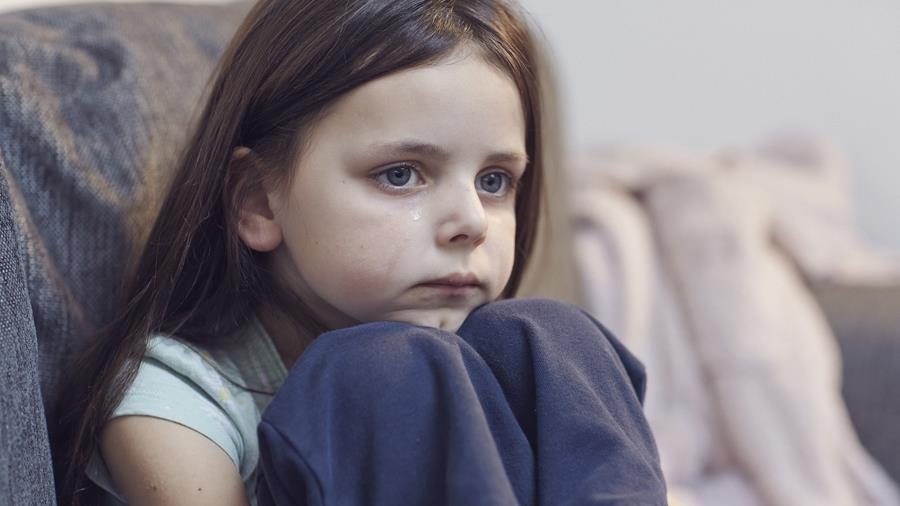
Bullying can include:
- Hitting, kicking or pinching you
- Saying mean things about you
- Calling you names because of your language, religion or culture
- Threatening you
- Taking things from you or damaging your things
- Spreading rumours about you
- Ignoring you or leaving you out - this can be 'virtual' on social networking sites as well as in the 'real world'
- Sending rude or threatening texts or emails
- Putting unpleasant things on the internet about you
Why are they picking on me?
No-one deserves to be bullied. Bullies can make up lots of reasons for being mean, and saying or doing nasty things, but none of these reasons are any good. Remember you are not alone, and there are people who can support you.
What can I do if I am being bullied?
It can be helpful to talk to an adult you can trust, so they can help it to stop - like a teacher, parent, relative, or youth worker.
Check this link to find help and support:
https://www.anti-bullyingalliance.org.uk/tools-information/if-youre-being-bullied
You can also call ChildLine on 0800 1111 for advice or support. ChildLine is there to listen, to help you talk about anything you need to. Your call will be kept private unless they think that you or someone else is in danger or at risk of harm. Here are some other things that you can do:
Talk to another student at your school, like a peer mentor.
Does your school have a 'Comments box' or private email system for reporting bullying? If you let people know about your worries, your teacher could spend some time discussing with your class ideas about how to deal with bullying.
Be careful with your personal details, like your email address, phone number, home address. Don't give them out to people you don't know.
Keep talking and get support from your teacher, youth worker, friends and family.
If you are hurt or your belongings are damaged, keep evidence to show an adult. This could be a photo.
They keep sending me nasty texts. What can I do?
Never give out your home address, your school, your email address or your phone number on the Internet. It might not seem like it, but the Internet is a public place and people that you would never choose to give your information to, could see it without you knowing.
If you are bullied by text message, keep the messages and show an adult. With their help you can block that person from your phone. If necessary, your phone number can even be changed so they can't get in touch with you.
Ask for your school's 'Safe internet use' policy. This can have lots of useful information about what your school has put in place to stop people using the internet or their mobile phone in a wrong way.
What do I do if I know someone else is being bullied?
Don't be an audience! Bullies will feel that they can get away with it if others laugh or even just watch. If you see someone bullying and you don't feel that it is safe to stop it - walk away, don't stand by.
Tell an adult, or use the schools comment box or confidential email reporting system.
You could suggest setting up a 'peer mediation scheme' in your school. This is where young people are given training to support other children in the school. You could volunteer to be involved.
Look out for the person you know is being picked on. Make friends with them, or walk with them in lunch queues or corridors. Bullies think twice about being mean if someone has supporters.
If you are worried about a friend, this leaflet gives some good ideas -
I think I might be a bully. What should I do?
You can stop bullying if you want to. Some people find it useful to ask one of their friends to remind them when they are going too far and they are saying mean things rather than being funny.
It is also useful to remember that saying nasty things about people's identity (race, religion, language, what they look like or sexuality or being mean about someone because they are a boy or a girl) is always wrong. Remember, you can get into serious trouble for bullying.
Sometimes people bully because they are having problems in their own lives, and they need help with other difficult things that are happening to them. It is important to get help, perhaps from a teacher at your school.
More information on the links below:
ChildLine Free and confidential telephone helpline for children and young people. Call 0800 1111
Kidscape Information for children and young people, parents, and professionals. Call 020 7730 3300
Samaritans is a confidential emotional support service available 24 hours a day. Call 116 123
Vaping
Think before you vape.
Many young people try vaping because their friends do, but most don't realise how quickly nicotine addiction can develop. Vaping can affect concentration, mood and wellbeing, leaving you dependent on a product you never intended to need.
Support and Resources
Swimming Safety